
Why Does My Dog Smell So Bad? Hidden Skin and Ear Infections
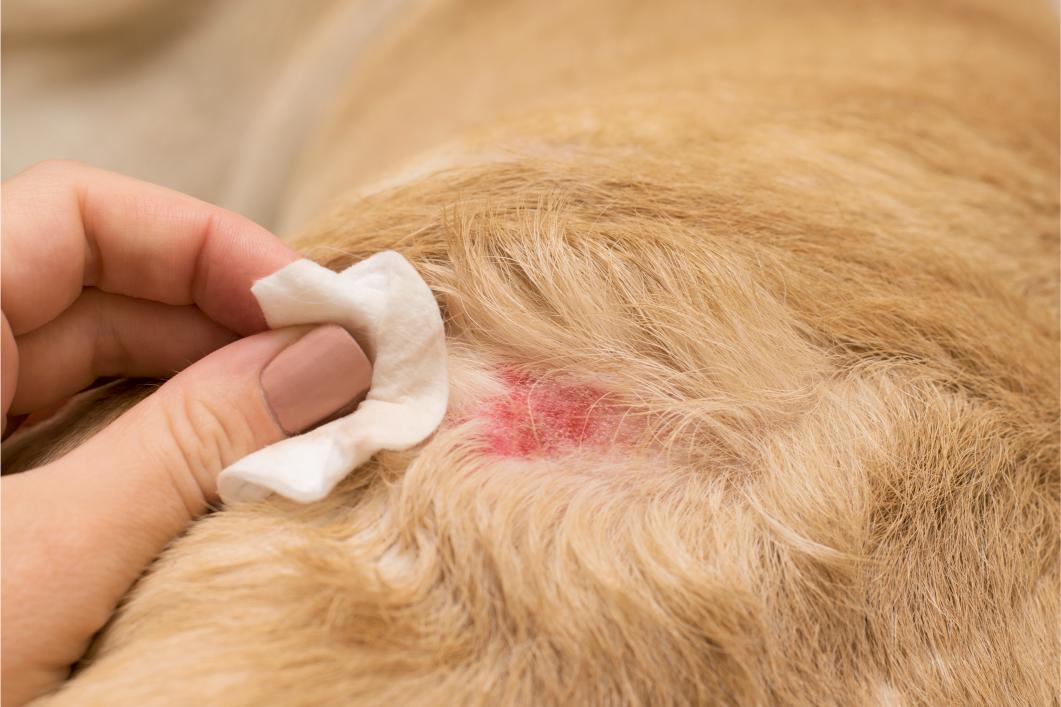
Let’s be honest—most dogs have a smell. But when your dog smells bad suddenly, it’s more than just that familiar “wet dog” scent. A strong, lingering odor can be a sign that something isn’t quite right. At Lincoln Hills Veterinary Hospital in Lincoln, CA, we often see pets whose unpleasant odor turns out to be a sign of an underlying issue, like a skin or ear infection.
The good news? Once you know what to look for, you can take action quickly and help your dog feel (and smell) a whole lot better.
Common Causes You Shouldn’t Ignore
A little doggy scent is normal. A smell that makes you wrinkle your nose from across the room? That’s worth a closer look.
Some of the most common dog odor causes include:
- Skin infections caused by bacteria or yeast
- Ear infections that trap moisture and debris
- Allergies that lead to excessive licking or scratching
- Poor grooming habits or matted fur
- Dental disease that creates foul breath
If your dog smells bad suddenly, especially without a clear reason like rolling in something questionable, it’s often a sign that something deeper is going on.
What Does a Dog Yeast Infection Smell Like?
If you’ve ever caught a whiff of something that reminds you of corn chips, musty socks, or even slightly sweet bread, you may already have your answer.
Yeast infections are one of the most common culprits behind strong odors in dogs. These infections tend to develop in warm, moist areas of the body, such as the ears, paws, skin folds, or under the tail.
Along with the smell, you may notice:
- Greasy or flaky skin
- Redness or darkened skin
- Constant licking, chewing, or scratching
- Thickened skin over time
While the smell might be the first thing you notice, yeast infections can quickly become uncomfortable and even painful if left untreated.
Dog Skin Infection Symptoms to Watch For
Not all skin infections smell the same, but they often come with other telltale signs. Paying attention to these changes can help you catch a problem early.
Common dog skin infection symptoms include:
- Persistent itching or scratching
- Hair loss in patches
- Scabs, sores, or crusty areas
- Red, inflamed skin
- Unusual odor coming from specific areas
These symptoms can overlap with allergies or parasites, which is why a proper diagnosis is so important. Treating the smell alone won’t resolve the underlying issue.
Don’t Forget About the Ears
If your dog’s odor seems especially strong around the head, the ears may be the source.
Ear infections are another frequent cause of unpleasant smells, and can develop quickly, especially in dogs with floppy ears or those who swim often. You might notice a sour or yeasty odor, along with:
- Head shaking or tilting
- Scratching at the ears
- Dark or waxy discharge
- Sensitivity when the ears are touched
Because ear infections can worsen over time, early treatment makes a big difference in your dog’s comfort.
When It’s Time to Call Your Veterinarian
It’s tempting to reach for a bath or grooming wipe when your dog smells less than fresh, and sometimes that’s all it takes. But if the odor persists or returns quickly, it’s time to look beyond the surface.
Our veterinarians and staff at Lincoln Hills Veterinary Hospital take a thoughtful, thorough approach to uncovering the cause of your dog’s symptoms. Whether it’s a yeast infection, bacterial issue, or something else entirely, we’ll create a treatment plan that gets to the root of the problem.
Call us at (916) 436-0006 to schedule an appointment or book a wellness visit. Be sure to ask about our wellness plans, which help support your pet’s health and happiness at every stage of life.