
Swollen Face or Hives in Dogs: Allergic Reaction or Emergency?
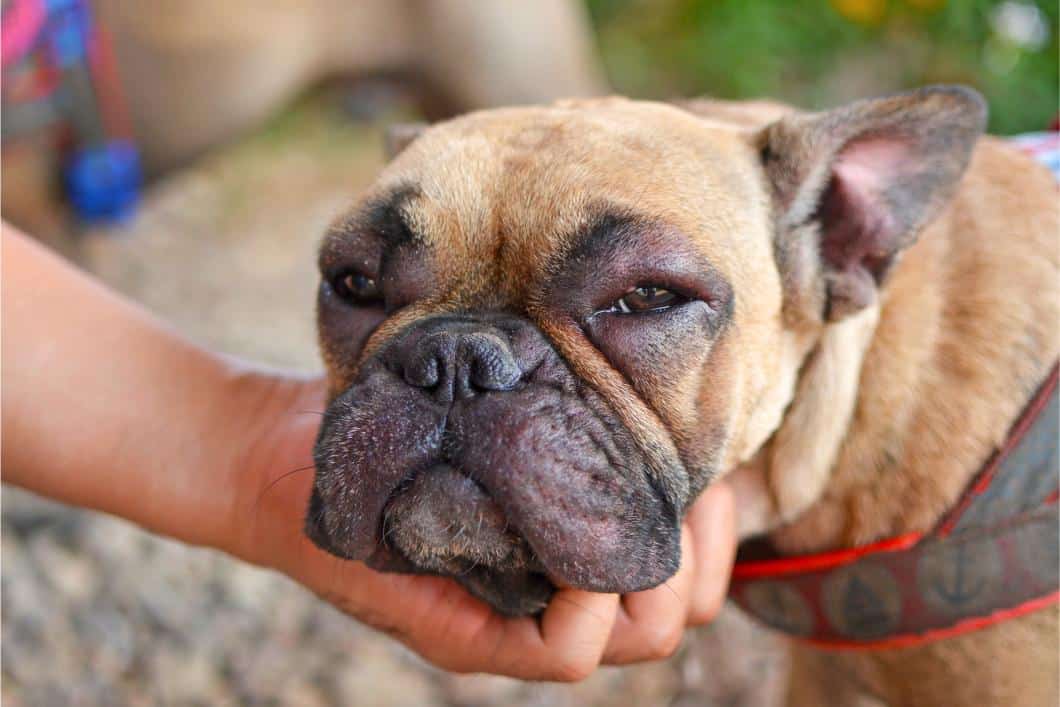
One minute, your pup looks perfectly normal. The next, you notice puffy eyes, a plump muzzle, or raised bumps beneath the fur. Dog face swelling can appear suddenly and dramatically, and leave pet parents startled and unsure what to do next.
The good news is that many allergic reactions in dogs are mild and treatable. The serious news is that some can escalate into anaphylaxis in dogs. In this blog, our caring team helps you understand the difference so you can respond appropriately and with confidence.
What Causes Sudden Swelling or Hives in Dogs?
Hives in dogs often develop as part of an allergic reaction. Common triggers include:
- Insect stings or bites
- New foods or treats
- Medications
- Vaccines
- Environmental allergens such as pollen or plants
Hives typically appear as raised, itchy welts that may be easier to feel than see, especially in thick-coated breeds. Dog face swelling often affects the lips, eyelids, or muzzle and can look dramatic, but remain relatively mild.
In mild allergic reactions in dogs, the symptoms will often resolve themselves in a day or two, but you should still reach out to your veterinarian to be on the safe side.
When Is It an Emergency?
While some swelling is uncomfortable but manageable, certain symptoms signal a potentially life-threatening reaction known as anaphylaxis in dogs.
Seek immediate veterinary care if you notice:
- Difficulty breathing or noisy breathing
- Excessive drooling
- Vomiting or diarrhea
- Pale gums
- Collapse or extreme weakness
- Rapid progression of swelling
Anaphylaxis in dogs can develop quickly. When in doubt, seek emergency veterinary care.
At Lincoln Hills Veterinary Hospital, our veterinary team can assess the severity of your dog’s allergic reaction, administer medications to reduce swelling, and stabilize more serious cases.
What to Do If You Notice Swelling
If you observe swollen face or hives in dogs:
- Stay calm and monitor your pet’s breathing and behavior.
- Remove any obvious trigger if safe to do so.
- Bathe your dog if an environmental allergen is suspected.
- Do not administer over-the-counter medications to your pet unless directed by a veterinary professional, as some human products can be harmful to pets.
- Contact your veterinarian for guidance.
- Head to an emergency clinic immediately if symptoms worsen or breathing is affected.
Prepared, Not Panicked
Allergic reactions can be sudden, but most dogs recover quickly with appropriate care. The key is recognizing when swelling is simply an uncomfortable side effect of an encounter with an irritant—and when it signals something more urgent.
By staying observant and acting promptly, you can protect your dog’s safety while avoiding unnecessary panic. Always feel free to contact us at (916) 436-0006 if you notice dog face swelling, or you have concerns about anaphylaxis in dogs. Our team is here to help!