
How Extra Weight Affects Your Pet’s Lifespan and Joint Health
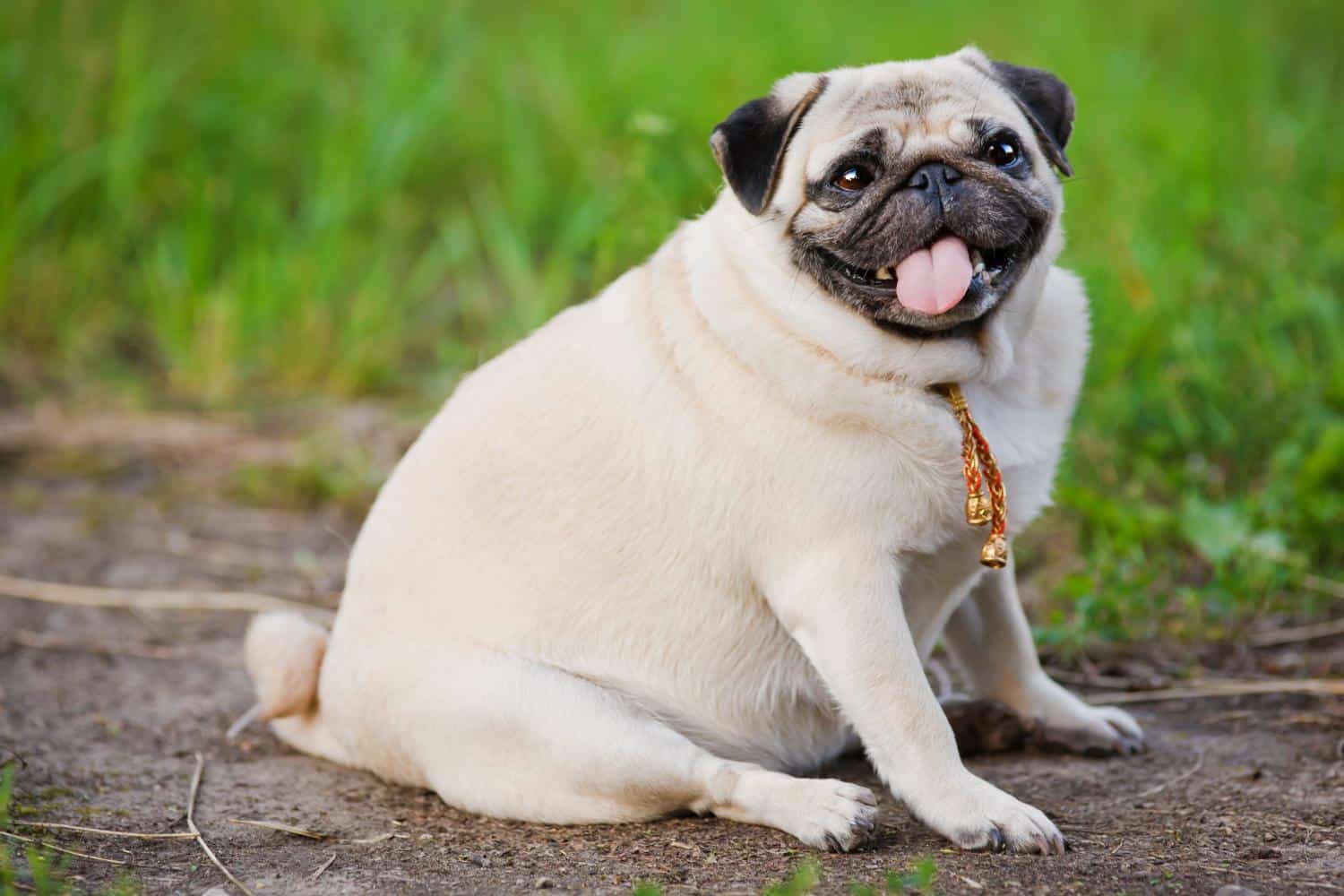
A few extra pounds may not look concerning, especially beneath a fluffy coat. For a dog or cat, however, even a modest amount of excess weight can place added stress on the body. At Lincoln Hills Veterinary Hospital in Lincoln, CA, we help families recognize weight changes early and develop practical plans that support longer, more comfortable lives for their pets.
Extra Weight Can Affect More Than Appearance
Maintaining is an important part of wellness and preventive care. Excess body fat can contribute to chronic inflammation and increase a pet’s risk of several health concerns, including diabetes, respiratory difficulties, and reduced mobility.
Weight may also influence longevity. In one long-term study, Labrador retrievers kept at a lean body condition lived a median of nearly two years longer than dogs that ate more and weighed more. The leaner dogs also developed signs of chronic conditions, including osteoarthritis, later in life.
Although every pet is different, research supports an important takeaway: Keeping pets lean may help them enjoy more healthy, active years.
Why Extra Pounds Are Hard on the Joints
Every step places force on a pet’s joints. When a dog or cat carries additional weight, the hips, knees, elbows, and spine must absorb more force during everyday activities such as walking, running, jumping, and climbing stairs.
This additional strain can contribute to cartilage wear and may worsen the pain and stiffness associated with arthritis. It can also create a frustrating cycle: A pet experiences discomfort, becomes less active, burns fewer calories, and gains more weight.
For overweight dogs, early signs of joint discomfort may include:
- Lagging behind during walks
- Hesitating before using stairs
- Struggling to rise after resting
- Losing interest in running or playing
- Limping or appearing stiff
- Avoiding jumps onto furniture or into the car
Cats often hide pain, so the changes may be subtler. Obese cats may stop jumping to favorite resting spots, have difficulty grooming certain areas, sleep more, or become irritable when handled. These changes shouldn’t automatically be dismissed as normal aging.
How To Tell if Your Pet Is Overweight
Because weight gain usually happens gradually, it can be difficult to notice. The number on the scale is helpful, but it doesn’t tell the whole story. Veterinarians also evaluate body shape, muscle condition, and the amount of fat covering the ribs.
At a healthy body condition, you should generally be able to feel your pet’s ribs beneath a thin layer of fat. Dogs and cats should also have a visible waist when viewed from above, and a slight abdominal tuck when viewed from the side. Breed, age, coat type, and overall build can affect appearance, so a veterinary assessment offers a more reliable answer.
A Safe Weight-Loss Plan Starts With Veterinary Care
Simply feeding much less food isn’t always safe, particularly for cats. Effective pet weight management should provide appropriate nutrition while creating gradual, sustainable weight loss. Before recommending a plan, our veterinarians and staff consider your pet’s age, current health, activity level, diet, treats, and ideal body condition.
A personalized plan may include:
- Measured meal portions
- A nutritionally-complete weight-management diet
- Lower-calorie treats or treat alternatives
- Appropriate daily activity
- Regular weigh-ins and plan adjustments
- Treatment for arthritis or another condition limiting movement
Small changes can make a meaningful difference. Even modest weight loss may improve mobility and help pets participate more comfortably in the activities they enjoy.
Help Your Pet Move Toward a Healthier Future
If you’re concerned about your pet’s weight, mobility, or changing activity level, Lincoln Hills Veterinary Hospital can help. Call (916) 436-0006 to book an appointment and create a realistic weight-management plan designed for your pet’s health, comfort, and lifestyle.