
Canine Arthritis: Early Symptoms Many Owners Mistake for Normal Aging
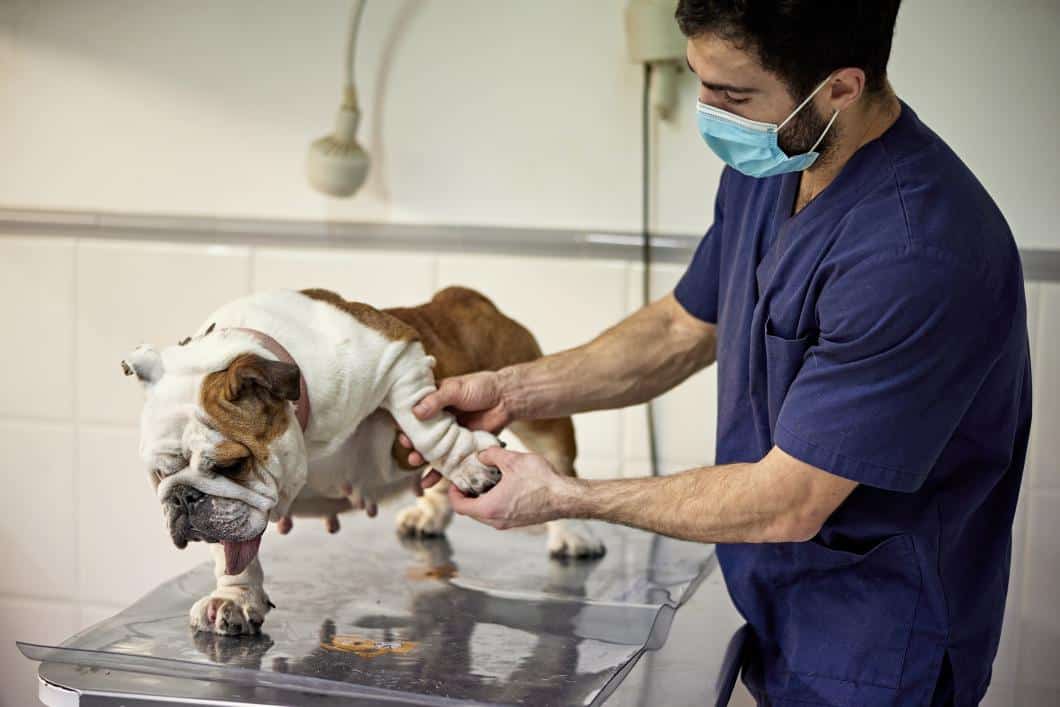
It’s easy to assume that all dogs take life more slowly as they age. Maybe your high-energy husky hesitates now before jumping into the car, or your Labrador takes a little longer to stand up after a nap. Whatever the case, many pet parents simply chalk these changes up to “getting older,” but they may be early signs of arthritis in dogs.
The good news? Arthritis doesn’t have to mean the end of scenic walks and social hours at the dog park. With early intervention and management, many dogs with arthritis continue to enjoy their favorite activities well into their golden years.
Dog Stiffness, Slowing Down, and Subtle Signs
Arthritis in dogs occurs when joints become inflamed, causing pain and stiffness. It’s one of the most common conditions behind senior dog mobility problems, but it can also occur in younger pets, especially those with previous injuries or certain breed predispositions.
Signs of dog stiffness include:
- Difficulty getting up after lying down
- Reluctance to jump on furniture or into the car
- Taking longer to climb stairs
- Limping or favoring a leg
- Reduced interest in walks or playtime
- Sleeping more than usual
- Changes in posture or gait
- Irritability or withdrawal
The “Slowdown Spiral”
A dog with arthritis may become less active because movement hurts. Less activity can lead to muscle loss and weight gain, which places additional stress on the joints. Over time, that discomfort can create what veterinarians call a “slowdown spiral.” The encouraging news is that early treatment can interrupt that cycle and restore comfort.
Treating Arthritis in Dogs
Managing arthritis in dogs typically includes a combination of modalities, tailored to each pet’s needs.
Treatment options include:
- Weight management
- Joint-support supplements
- Prescription medications
- Therapeutic diets
- Physical rehabilitation or laser therapy
- Low-impact exercise routines
- Soft bedding and home modifications
Comfort, Confidence, and Continued Tail Wags
Simple adjustments at home can help dogs with mobility challenges maintain independence and enjoy daily activities.
Ways to support aging joints:
- Use rugs to prevent slipping on hard floors
- Provide ramps for cars or furniture
- Keep walks shorter but consistent
- Maintain a healthy body weight
- Offer orthopedic beds for added comfort
- Raise food and water bowls if recommended by your veterinarian
Aging Gracefully Doesn’t Mean Living in Pain
Growing older doesn’t mean your dog has to give up the things they love. Many dogs with arthritis continue to enjoy walks, family time, and plenty of tail wags with the right support.
At Lincoln Hills Veterinary Hospital, our team understands that dog stiffness and senior dog mobility problems aren’t always “just old age.” If you’ve noticed subtle changes in your companion’s movement or activity level, a veterinary evaluation can help identify whether arthritis in dogs is to blame, and uncover ways to keep your best friend moving comfortably for years to come. Please contact us at (916) 436-0006 to discuss your pet’s needs.