
Why Is My Cat Drinking More Water Than Usual? Possible Medical Causes
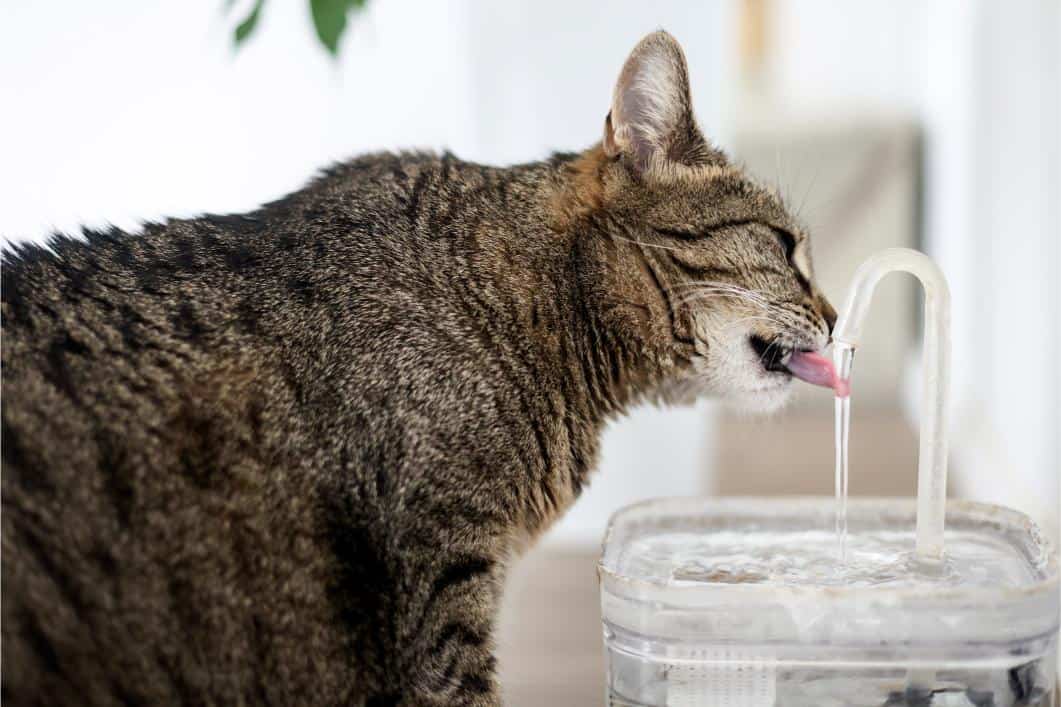
If your cat suddenly seems fascinated by the water bowl, you’re probably not imagining things. While some cats simply develop quirky habits, a noticeable increase in water intake can also point to an underlying medical issue. In many cases, excessive thirst is one of the earliest signs that something is not quite right.
At Lincoln Hills Veterinary Hospital, our veterinarians and staff often hear concerned pet owners say their cat is suddenly drinking lots of water. Because cats often hide signs of illness, paying attention to changes like this can help you catch health problems earlier.
How Much Water Is Too Much?
Cats naturally drink more or less water depending on factors like:
- Diet
- Activity level
- Weather
- Age
For example, cats eating canned food typically drink less water than cats eating dry kibble. However, if you suddenly find yourself constantly refilling the bowl or cleaning the litter box more often, it is worth taking seriously.
Excessive thirst in cats, also called polydipsia, is often paired with increased urination. Those two symptoms together can provide important clues about your cat’s health.
Common Medical Causes of Increased Thirst
Several medical conditions can make cats drink more water than usual. Some are manageable with early treatment, which is one reason veterinary evaluation matters so much.
Kidney Disease
Kidney disease is one of the most common reasons older cats begin drinking excessively. Because the kidneys help regulate hydration and filter waste, declining kidney function often leads to increased thirst and urination.
Some common cat kidney disease symptoms include:
- Increased drinking and urination
- Weight loss
- Poor appetite
- Vomiting
- Bad breath
- Lethargy
- Unkempt coat appearance
Kidney disease tends to develop gradually, so changes can be easy to miss at first.
Diabetes
Feline diabetes can also cause dramatic thirst changes. When blood sugar levels rise, the body tries to flush excess glucose through urine, which leads to dehydration and increased water intake.
Some cat diabetes symptoms may include:
- Drinking more water than usual
- Frequent urination
- Increased appetite
- Weight loss despite eating well
- Weakness or reduced activity
Some cats with diabetes may even start walking differently, especially in the hind legs.
Hyperthyroidism
Hyperthyroidism occurs when the thyroid gland produces too much hormone, speeding up the body’s metabolism. This condition is especially common in senior cats.
In addition to increased thirst, you may notice:
- Weight loss
- Restlessness
- Increased appetite
- Vomiting or diarrhea
- Faster heart rate
Cats with hyperthyroidism often seem unusually energetic at first, which can make the condition harder to recognize as a health problem.
Urinary Tract Issues or Infections
Infections and urinary tract problems may also cause cats to drink more water. In some cases, cats are trying to soothe irritation or compensate for fluid loss.
Watch for additional signs such as:
- Frequent trips to the litter box
- Straining to urinate
- Blood in the urine
- Vocalizing in the litter box
- Accidents outside the litter box
Urinary issues can become serious quickly, especially in male cats.
When Should You Call the Vet?
One slightly enthusiastic day at the water bowl probably isn’t an emergency. But persistent or sudden excessive thirst in cats shouldn’t be ignored, especially if it appears alongside other symptoms.
Cats are masters at acting normal even when they are not feeling well. Subtle changes in drinking habits may be one of the few early warnings you get.
A veterinary visit may include:
- A physical exam
- Bloodwork
- Urinalysis
- Blood pressure testing
- Additional diagnostics if needed
The good news? Many conditions that cause increased thirst can often be managed successfully when caught early.
Help Your Cat Stay Healthy
If your cat’s drinking lots of water, trust your instincts. Changes in behavior, even small ones, are worth discussing with a veterinary professional.
The compassionate team at Lincoln Hills Veterinary Hospital is here to help your cat stay healthy and comfortable through every life stage. To schedule an appointment, call (916) 436-0006 or book online today.