
Chronic Vomiting in Cats: When It’s More Than Just Hairballs
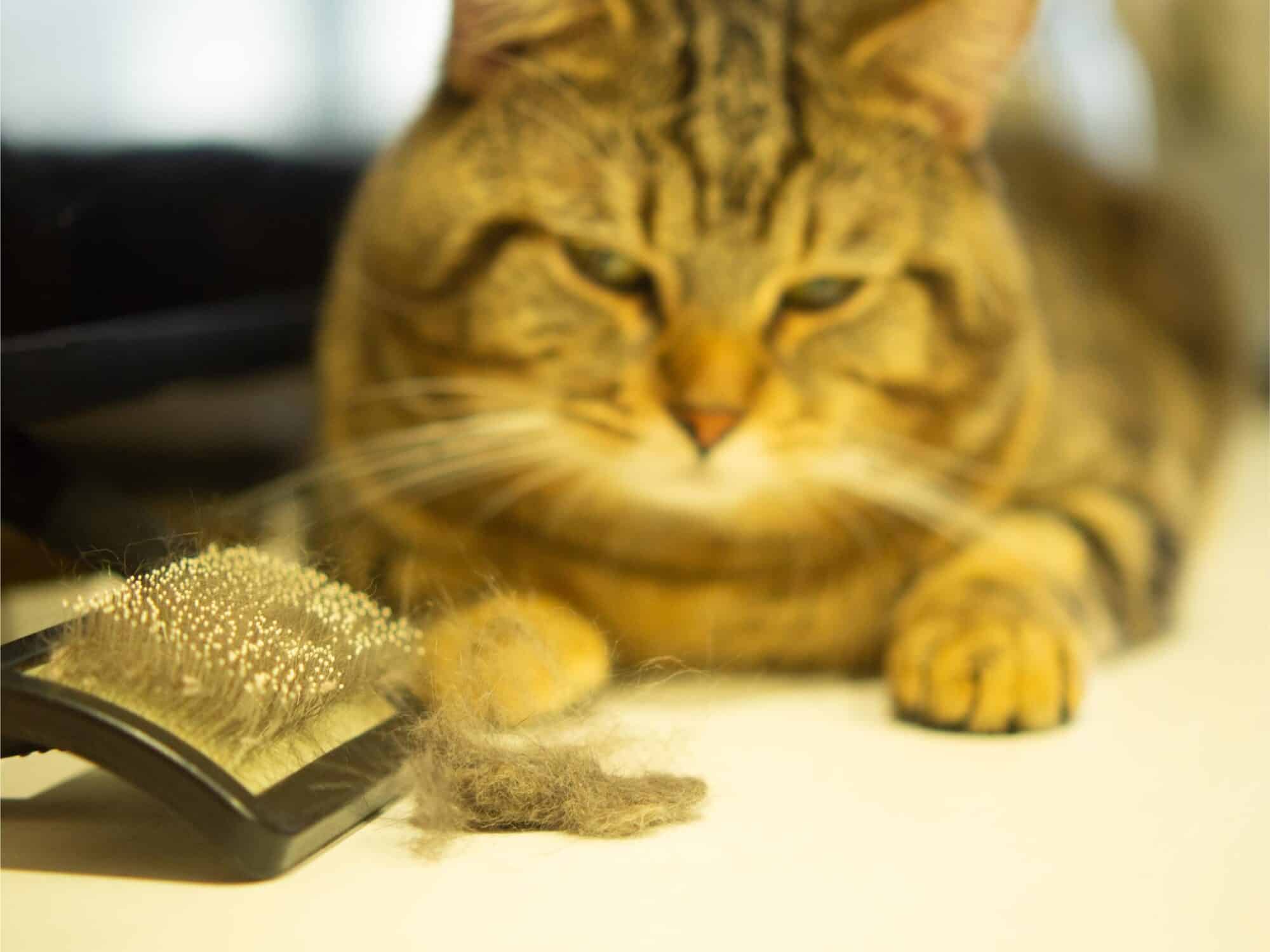
Most feline families are familiar with the occasional hairball—an unpleasant but otherwise normal part of life with a cat. But a cat vomiting daily is no longer something to brush off or blame on fur alone. Frequent vomiting is often a sign that something deeper is going on, and it deserves a closer look.
At Lincoln Hills Veterinary Hospital, we see many cats whose “normal” vomiting turns out to be an early warning sign of an underlying medical condition.
Cat Hairballs vs. Vomiting: What’s the Difference?
Understanding the signs of cat hairballs vs. vomiting can help you know when it’s time to call the veterinarian.
Hairballs:
- Happen occasionally, not daily
- Produce a tubular clump of hair
- Often follow intense grooming
- Are not typically associated with weight loss or appetite changes
Vomiting:
- May contain food, liquid, foam, or bile
- Can occur daily or multiple times a week
- Often happens without excessive grooming
- May be accompanied by weight loss, diarrhea, lethargy, or appetite changes
If your cat is vomiting frequently without producing hairballs—or if the vomiting is increasing over time—it’s time to investigate further.
Why Chronic Vomiting Is a Red Flag
Chronic vomiting is one of the most common—and most overlooked—signs that something isn’t right internally.
Conditions that can cause ongoing vomiting include:
- Inflammatory bowel disease (IBD)
- Food sensitivities or allergies
- Parasites
- Pancreatitis
- Hyperthyroidism
- Kidney disease
- Gastrointestinal lymphoma
IBD in Cats: Early Signs to Watch For
One of the most common causes of chronic vomiting is IBD in cats, a condition in which the gastrointestinal tract becomes chronically inflamed, interfering with digestion and nutrient absorption. While it’s not curable, it is manageable—especially when caught early.
IBD in cats early signs may include:
- Vomiting several times a week—or daily
- Gradual weight loss
- Changes in appetite (eating more or less)
- Intermittent diarrhea
- Poor coat quality
When Should You Call the Vet?
You should schedule a veterinary visit if:
- Your cat is vomiting daily or nearly daily
- Vomiting has become more frequent or severe
- Your cat is losing weight
- There’s a change in appetite or energy level
- You notice diarrhea or dehydration
How Lincoln Hills Veterinary Hospital Can Help
Our goal is always to find the root cause—not just suppress symptoms—so your cat can feel better for the long term.
Diagnosing the cause of chronic vomiting may involve:
- A thorough physical exam
- Bloodwork and urine testing
- Fecal testing
- Imaging such as ultrasound
- Dietary trials or advanced diagnostics
The Bottom Line
An occasional hairball is normal. A cat vomiting daily is not. Chronic vomiting is often your cat’s quiet cry for help—and the sooner we listen, the better the outcome.
Our caring team at Lincoln Hills Veterinary Hospital is here to help. Contact us today at (916) 436-0006 if you have any concerns about your cat’s health or if it’s time for a checkup.