
Chronic Eye Discharge in Pets: Allergies, Infection, or Something Else?
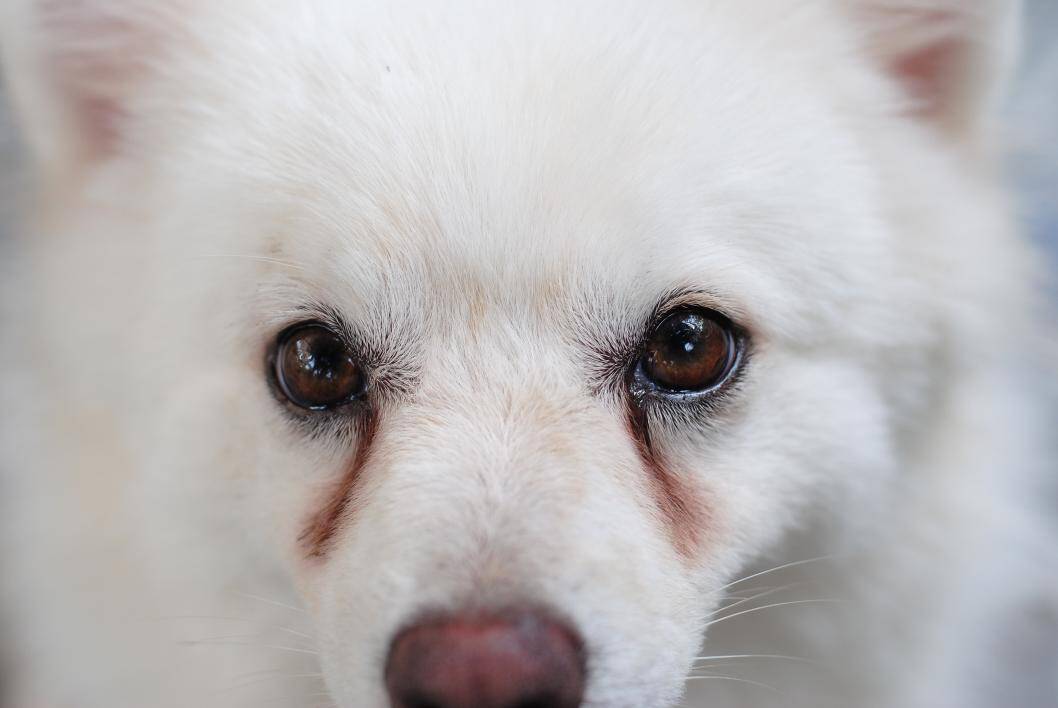
A little bit of “eye gunk” now and then is pretty standard for dogs and cats. But when discharge becomes constant, thick, discolored, or seems to bother your pet, it’s time to take a closer look. At Lincoln Hills Veterinary Hospital, we often see concerned pet owners wondering whether ongoing eye discharge is just allergies or a sign of something more serious.
Understanding what’s behind chronic eye issues in pets can help you know when to wipe them away and when to pick up the phone.
What’s Considered Chronic Eye Discharge?
Occasional clear or slightly crusty discharge, especially first thing in the morning, isn’t usually a problem. Chronic discharge, on the other hand, tends to linger or return frequently.
You may notice:
- Persistent tearing or wet fur beneath the eyes
- Thick, yellow, green, or cloudy discharge
- Redness, swelling, or squinting
- Pawing at the eyes or increased sensitivity to light
If these signs last more than a few days or keep coming back, they deserve veterinary attention.
Allergies: A Common (But Not Harmless) Culprit
Seasonal and environmental allergies can cause watery eyes in both dogs and cats. Pollen, dust, mold, and even certain household products can irritate the delicate tissues around the eyes.
Allergy-related eye discharge often appears:
- Clear or slightly cloudy
- Paired with sneezing or itchy skin
- Worse during certain seasons or after outdoor exposure
While allergies may sound mild, chronic irritation can make the eyes more vulnerable to infection if left untreated.
When Infection Is the Underlying Issue
Eye infections in both felines and canines often causes thicker, more noticeable discharge. Infections may start in one eye and spread to the other if not addressed promptly.
Signs of infection include:
- Yellow or green discharge that reappears quickly after cleaning
- Red, swollen eyelids
- Squinting or keeping one eye closed
- Behavioral changes such as hiding or irritability
Infections require proper diagnosis and medication. Over-the-counter treatments or leftover prescriptions can delay healing or worsen the problem.
Structural and Breed-Related Eye Problems
Some pets are simply built in a way that makes eye discharge more likely. Flat-faced breeds, such as Bulldogs, Pugs, and Persian cats, often have shallow eye sockets or tear duct issues that affect drainage.
Structural causes of dog eye discharge may include:
- Blocked or underdeveloped tear ducts
- Eyelids that roll inward or outward
- Hair rubbing against the surface of the eye
These cases may need ongoing management and, in some cases, referral to veterinary ophthalmology care.
Could It Be Something More Serious?
Occasionally, chronic eye issues in pets signal an underlying disease rather than a local eye problem. Conditions such as dry eye, corneal ulcers, glaucoma, or immune-mediated disorders can all cause ongoing discharge and discomfort. Diagnostic testing is often needed to determine the root cause and protect your pet’s vision.
Why Early Evaluation Makes a Difference
Eyes are delicate, and minor problems can escalate quickly. What starts as mild tearing can progress to pain, vision loss, or permanent damage without timely care.
During a wellness and preventive visit, your veterinarian can:
- Perform a thorough eye exam
- Identify infection, inflammation, or structural concerns
- Recommend appropriate treatment or monitoring
- Determine whether advanced care, including veterinary ophthalmology, is needed
Because pets can’t tell you when their eyes hurt, subtle signs matter. Taking action early helps protect your pet’s comfort, vision, and quality of life and offers peace of mind that nothing important is being missed.
When to Call the Vet
If eye discharge is persistent, worsening, or paired with discomfort, it’s best not to wait. Schedule an appointment by calling (916) 436-0006. Our veterinarians and staff take the time to understand chronic eye issues in pets and tailor care to your dog or cat’s needs. Be sure to ask about our wellness plans for dogs and cats, which support lifelong preventive care and early detection.