
How to Have a Pet-Safe Holiday
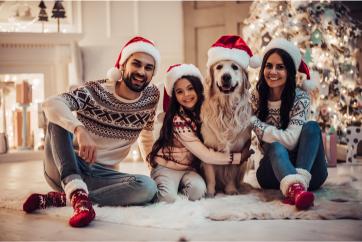
The holidays bring us all together with family, friends, delicious meals, and beautiful decorations. But for our furry friends, they can also create unexpected risks.
The good news is that with a little bit of upfront planning, you can keep your pets safe during the holidays, ornaments, turkey bones, and all.
Here’s what the team at Lincoln Hills Veterinary Hospital wants you to know about holiday pet safety:
Holidays Foods
Holiday tables are full of rich, delicious foods, but many are toxic or dangerous for your pets. Be sure to avoid the following:
- Toxic Foods: Never share dishes containing ingredients like chocolate, onions, grapes, raisins, or macadamia nuts. These can lead to poisoning, kidney failure, or severe illness.
- Fatty Foods: Rich, savory meats and gravies can trigger pancreatitis, a painful and serious inflammation.
- Bones: Cooked turkey and ham bones are brittle. They can splinter, causing your pet to choke, or—if swallowed—can puncture their intestines and organs.
Xylitol – Fatal toxin for dogs
Xylitol is a sugar substitute gaining popularity in human foods and oral hygiene products, but for dogs, it’s a rapidly acting and fatal toxin. Even small amounts can pose a severe threat, making immediate awareness and action crucial for every dog owner.
Signs of Xylitol Poisoning:
Some common symptoms of xylitol poisoning in dogs may include:
- Vomiting
- Unsteadiness while walking
- Inability to walk (collapsed)
- Tremors
- Seizures
Because xylitol is found in so many different everyday products, checking the ingredient list for anything your dog might access is absolutely essential. Don’t be fooled by the names. Xylitol often goes by several other aliases on ingredient lists, including:
- Birch Sugar
- Birch Bark Extract
- Birch Sap
- Sugar Alcohol (Note: this is a general term, so always look for “xylitol” specifically if listed here)
Table Scraps
Instead of sneaking table scraps, make them a dedicated, pet-safe treat! The American Animal Hospital Association (AAHA) has great recipes featuring safe ingredients like carrots, apples, tuna, and pumpkin that pets can safely enjoy.
Christmas Tree Water
That open reservoir holding your beautiful tree might look like a giant water bowl to your dog or cat, but it’s a toxic hazard they absolutely need to avoid.
As the tree sits in the stand, the water quickly accumulates fertilizers and preservatives intended to keep the pine fresh—all of which are toxic if ingested by pets. Worse yet, the standing water rapidly becomes a breeding ground for harmful mold and bacteria (including Aspergillus and Klebsiella). If your furry friend sneaks a drink of this contaminated liquid, they risk developing significant stomach upset, severe vomiting, and diarrhea.
To keep your pet safe and prevent an emergency vet visit, it is crucial to cover the tree stand with a secure lid, a decorative barrier, or a tightly secured tree skirt to completely block access.
Holiday Plants
Holiday plants are beautiful, but they can be toxic hazards to your pets. When decorating, placement is key. Always keep dangerous items out of reach to avoid unnecessary trips to your veterinarian.
Plants to Avoid:
- All Lilies
- Amaryllis
- Yew
- Holly and Mistletoe
- Snowdrops
Poinsettias: Less Scary Than You Think
Don’t panic if your pet nibbles a poinsettia leaf. While these plants are technically toxic, the danger is often greatly exaggerated. The sap inside the stems and leaves can cause mild irritation, resulting in temporary symptoms like a little stomach upset or drooling. Poinsettias are generally not life-threatening.
However, since we want to avoid all pet discomfort, we still recommend keeping them placed safely out of your dog or cat’s reach.
Decoration Hazards
Tinsel, ribbon, and any other string-like materials can cause dangerous blockages if your pet swallows them—which is exactly what happened to a cat named Chimi, featured in this ASPCA piece on seasonal dangers. (Thankfully, this kitty survived—despite swallowing 16 inches of ribbon!)
Glass ornaments can shatter and wound curious paws, candles can get knocked over and start fires, and Christmas tree water can contain irritating substances like sap and preservatives.
Every time you bring a decoration into the home, consider how it might affect your pet’s safety. Opt for flameless candles, shatterproof ornaments, and covers for tree water.
Stress Management for Pets
Beyond the physical (and edible) hazards, the busy nature of the holidays can stress pets out—a lot. From loud gatherings and travel (or boarding) to changes in routine and unfamiliar visitors, there’s a lot to make pets anxious.
Focus on giving your furry family members a safe retreat to escape to when they get overwhelmed. A quiet room with their bed, favorite toys, and fresh water—far away from noise and visitors—can be the best refuge for pets experiencing holiday stress.
Try to maintain your pet’s feeding, walking, and play schedules—even if your kids are home for the holidays or you’re going on a road trip.
If your pet needs extra help with anxiety or urgent care for holiday snafus, reach out to the caring team at Lincoln Hills Veterinary Hospital. We offer walk-in urgent care during our business hours—just call ahead to let us know you’re coming. Reach us at (916) 436-0006.